
Major Events in Chhatrapati Sambhajinagar
Dussehra: Epic Hindu festival celebrating the victory of good over evil.
- Dussehra, also known as Vijayadashami, is one of the most prominent and widely celebrated Hindu festivals in India. This festival, which marks the triumph of good over evil, holds immense cultural and religious significance. Here's all about the history, significance, facts, rituals, and grand celebrations associated with Dussehra.
Detailed Information
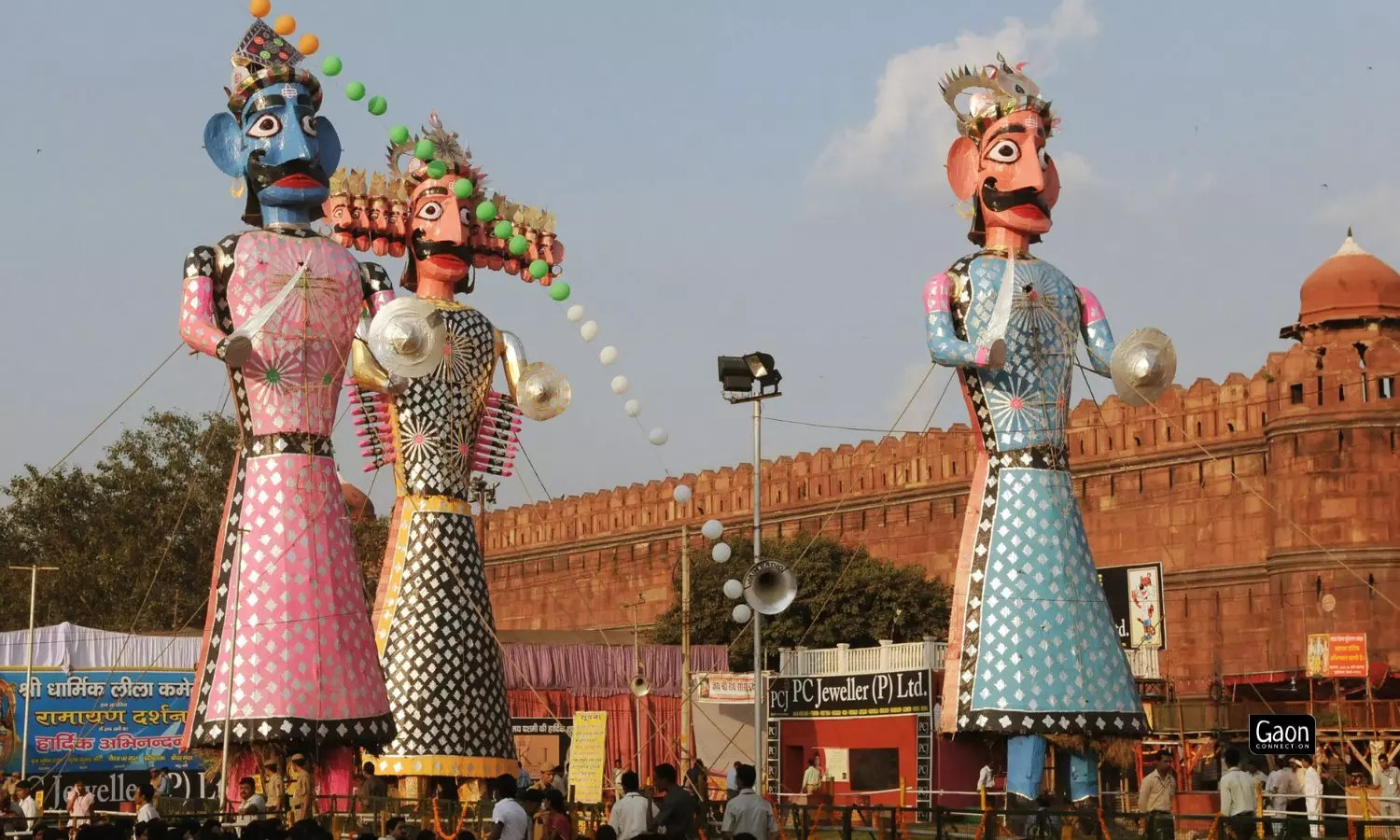
Dussehra usually falls in September or October, depending on the lunar calendar. The festival typically concludes with the burning of effigies of Ravana, symbolizing the victory of good over evil. This is a Hindu festival that celebrates the victory of Lord Rama over the demon king Ravana. According to the epic Ramayana, Ravana had kidnapped Lord Rama's wife, Sita, and taken her to Lanka. After an epic battle lasting ten days, Lord Rama, aided by Lord. Hanuman and his loyal army, vanquished Ravana, symbolizing the victory of righteousness over evil. The day of Ravana's defeat, which is the 10th day of the bright half of the lunar month of Ashwin, is celebrated as Dussehra. The festival represents the victory of virtue and righteousness. It is a time for people to reflect on the importance of truth, morality, and the triumph of good over evil. This day signifies the righteousness and valor of Lord Rama and the eventual defeat of the evil Ravana. Dussehra also marks the end of the Navaratri festival, which celebrates the various manifestations of the goddess Durga.
Navratri is celebrated in India and by the Indian diaspora around the world. The term "Navratri" translates to "Nine Nights" in Sanskrit, signifying the festival's duration. It is dedicated to the worship of the Hindu goddess Durga and her various forms, also known as the Divine Mother or Shakti. Many devotees undertake a nine-day fast during Navratri, refraining from consuming certain foods, especially grains, and some even abstain from non-vegetarian meals and alcohol. Fasting is believed to purify the body and mind. Navratri is a time for cultural celebrations, with music and dance performances, fairs, and exhibitions held in various parts of India. These events often feature local artists and artisans. After the fast, people often break their fast with a special meal that includes various dishes and sweets. Traditional dishes like puri, sabzi, and kheer are commonly prepared during this time. Navratri is a time of devotion, dance, music, and cultural unity, where people come together to celebrate the triumph of good over evil and seek the blessings of the goddess
Durga. The festival holds immense significance in Hinduism and showcases the rich cultural diversity of India.
In some South Indian states, Dussehra is celebrated as the Ayudha Puja, during which people clean and decorate their tools, vehicles, and weapons. This is a show of gratitude to the tools that help them earn their livelihood.
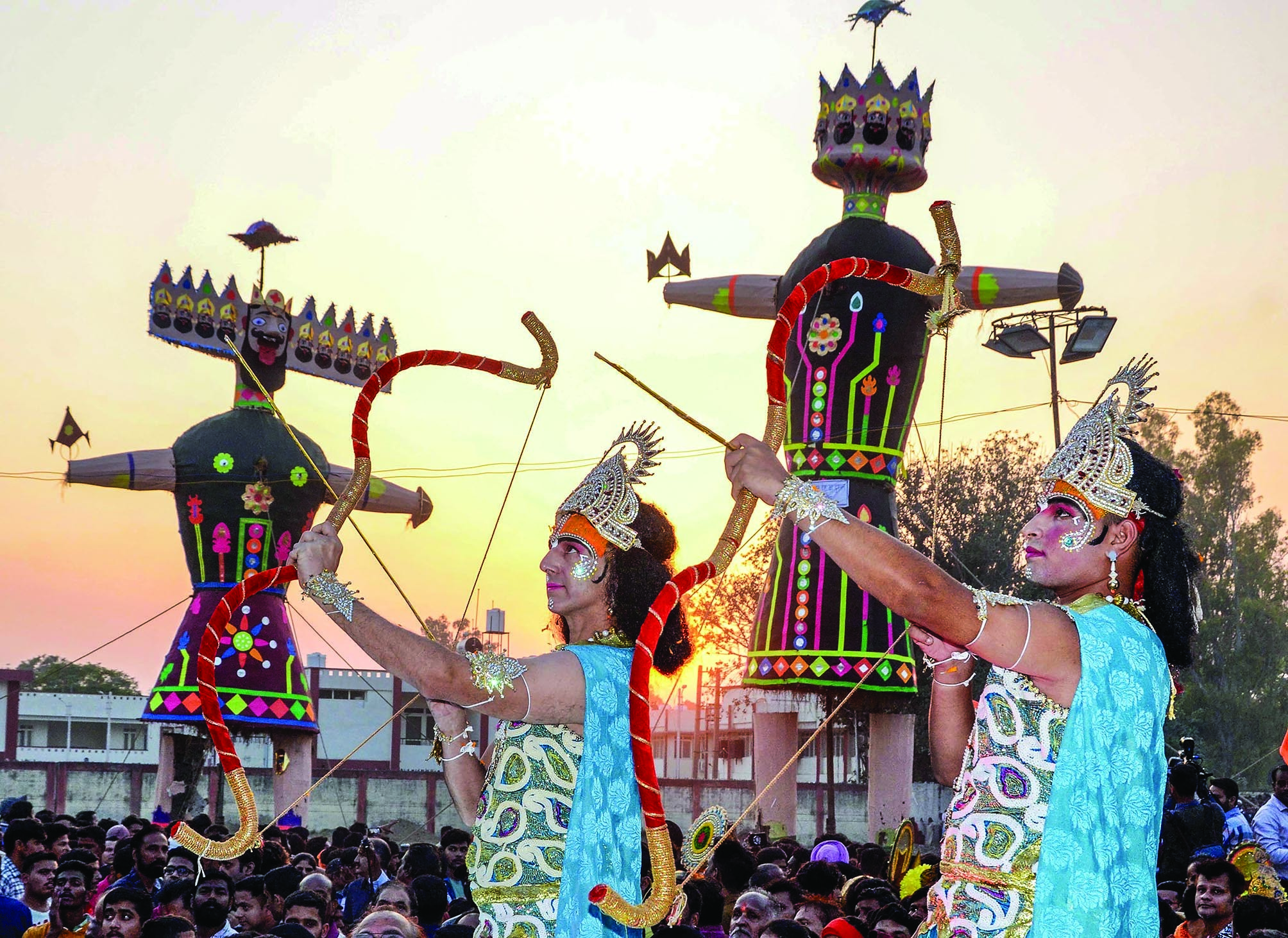
The Ram Lila is a dramatic reenactment of scenes from the Ramayana. It is a significant part of Dussehra celebrations, with artists and actors portraying characters from the epic. This theatrical performance narrates the story of Lord Rama's life and his victory over Ravana. These performances often take place in open fields and are attended by large crowds.
In some regions, Dussehra concludes with the immersion (Visarjan) of Durga idols, concluding the Navaratri festival. This is a grand and colorful event.
A wide range of delicious sweets is prepared during Dussehra, including jalebi, laddoos, and special dishes like sabudana khichdi in some regions. It is a time for families and communities to come together and enjoy these treats.
On Dussehra, it is customary to receive tika (vermilion mark) on the forehead from elders as a blessing, along with some prasad (blessed food). This is a symbol of protection and good luck.
People visit temples dedicated to Lord Rama and offer prayers on Dussehra. Temples are often beautifully decorated, and the idols of gods and goddesses are adorned with finery.
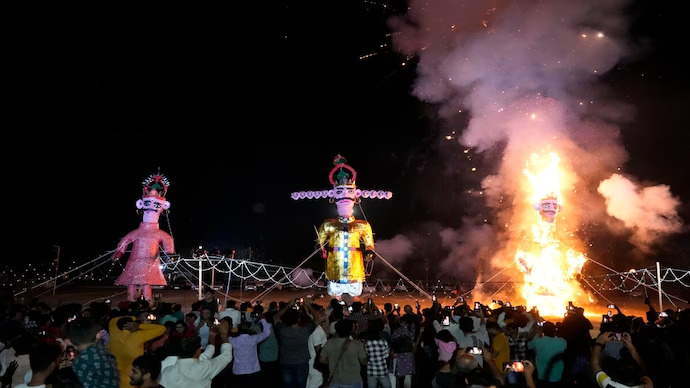
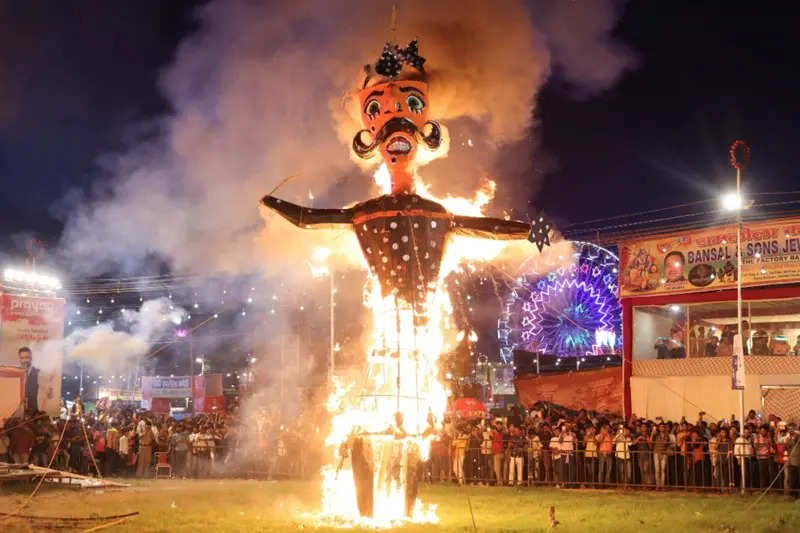
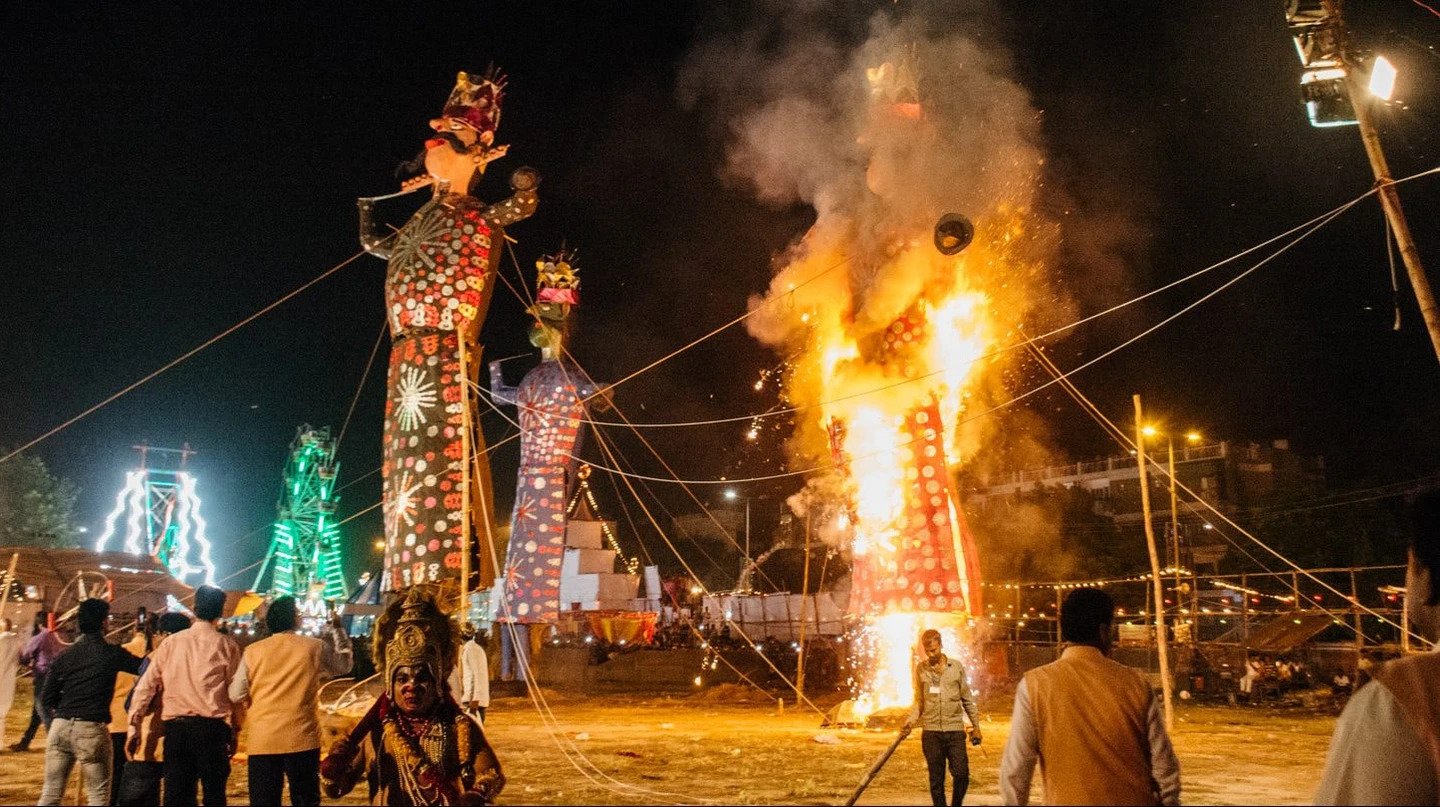
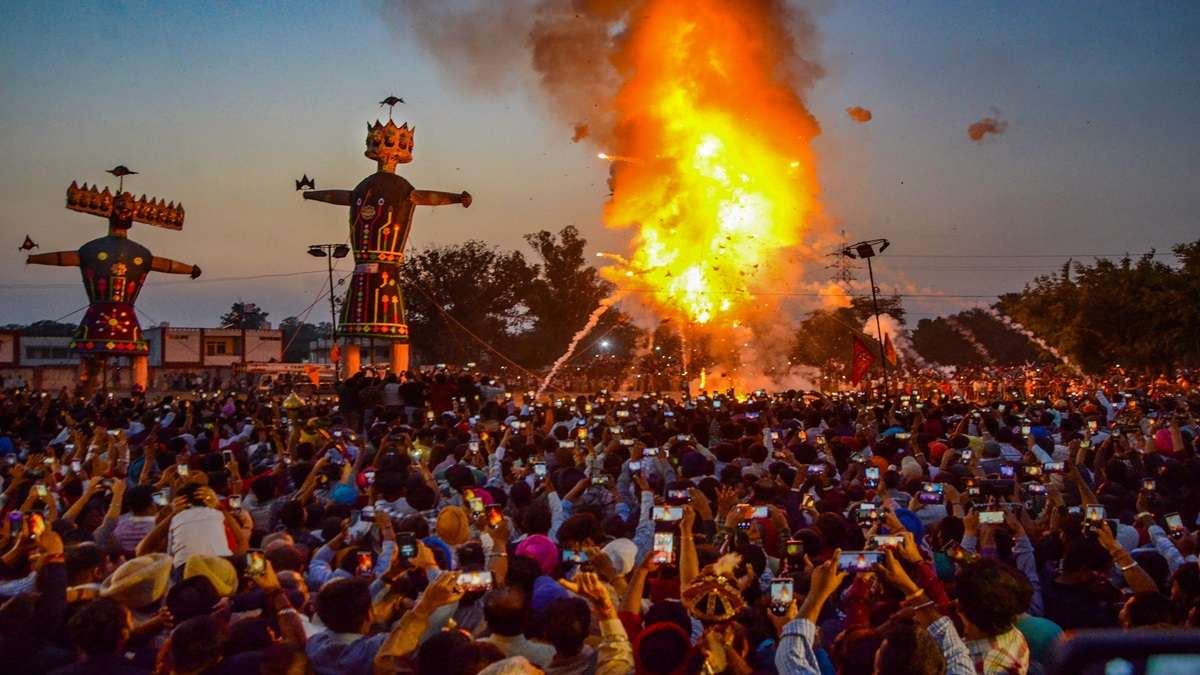
Dussehra is celebrated with enthusiasm throughout India, but various regions have their own unique customs and traditions. In the northern states, the burning of Ravana's effigies is the most prominent tradition. These effigies can be enormous and are filled with fireworks, making for a spectacular display. In the southern states, the focus is often on the Ayudha Puja, where tools, vehicles, and instruments are cleaned, decorated, and worshipped.
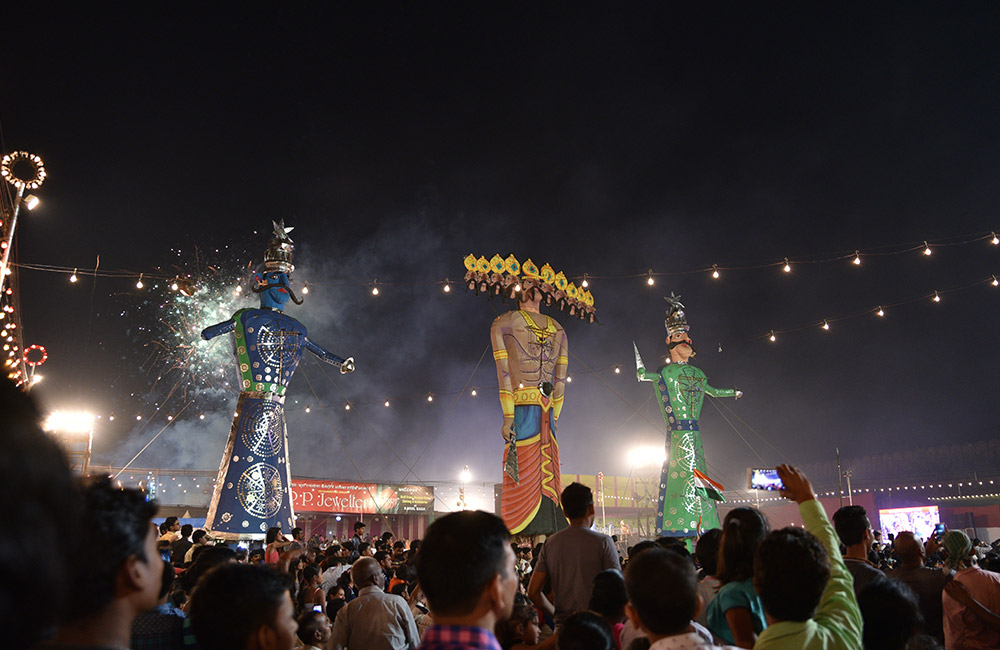
Dussehra is a festival that unites people across India in the celebration of good prevailing over evil. It is a time for reflection, tradition, and community, as people come together to remember the heroic deeds of Lord Rama and the significance of righteousness. The festival showcases the rich cultural diversity and religious heritage of India, making it an occasion that's both spiritually profound and visually captivating. It promises to be a day of joyous festivities, rituals, and the symbolic destruction of evil, marking the triumph of virtue and light.
During Dussehra, Ramlila is performed over a ten-day period in Indian and it has now become popular even globally. In 2008, UNESCO included Ramlila in its list of intangible cultural heritage. The Ram Lila performances and other cultural events held during Dussehra are not only entertaining but also serve an educational purpose. They help pass down the rich heritage, and values of the Ramayana to the younger generations.
Beyond its religious and cultural significance, Dussehra is also a time for people to come together, exchange greetings, visit friends and family, and enjoy traditional Indian sweets and dishes. Here are a few messages, greetings, wishes, and quotes you can share this Dussehra with your loved ones.
Significance:
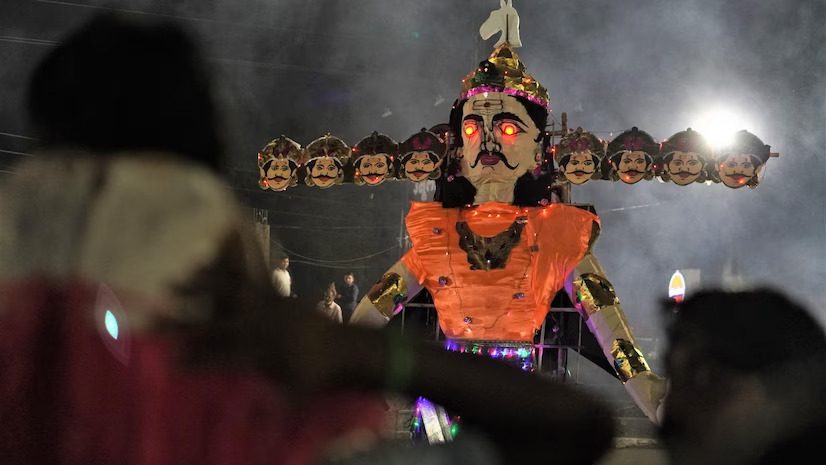
1. Triumph of good over evil: Dussehra commemorates the victory of Lord Rama, an avatar of Vishnu, over the ten-headed demon king Ravana. This symbolizes the triumph of good over evil, righteousness over injustice, and light over darkness. The burning of effigies of Ravana at the end of Dussehra signifies the purging of negative thoughts and negativity.
2. Celebration of knowledge and wisdom: Dussehra also marks the victory of Goddess Durga, another avatar of Devi, over the demon Mahishasura. Durga represents knowledge, power, and strength. Her victory signifies the importance of knowledge and wisdom in overcoming challenges and obstacles.
3. New beginnings and fresh starts: Dussehra coincides with the beginning of the Hindu calendar month of Ashwin. It is seen as a time for new beginnings and fresh starts. People often buy new clothes, clean their homes, and start new ventures during this time.
4. Cultural and social significance: Dussehra is celebrated with great fervour across India and Nepal. It is a time for families and friends to come together, participate in cultural events, and enjoy traditional food and music. The celebrations also have a strong regional flavour, with different states having their own unique ways of celebrating Dussehra.
5. Moral lessons and values: The stories of Rama and Durga associated with Dussehra teach valuable moral lessons about perseverance, righteousness, truthfulness, and the importance of standing up for what is right. These stories are passed down through generations and continue to inspire people today.
Additional Points:
- Dussehra is also known as Vijayadashami, which means "tenth day of victory."
- The celebrations of Dussehra typically last for ten days, culminating in the burning of Ravana's effigy on the tenth day.
- Dussehra is a national holiday in India and Nepal.