
Historic Place
Ajanta Caves
Chhatrapati Sambhajinagar
Maharashtra, India.
Key Highlights
- Masterpieces of Buddhist Art
- A Journey Through Time
- Architectural Marvels
- UNESCO World Heritage Site
Open & Close time
Time: 9:00 AM to 5:00PM.Detailed Information
Location: Ajanta, Sambhajinagar, Maharashtra, India.
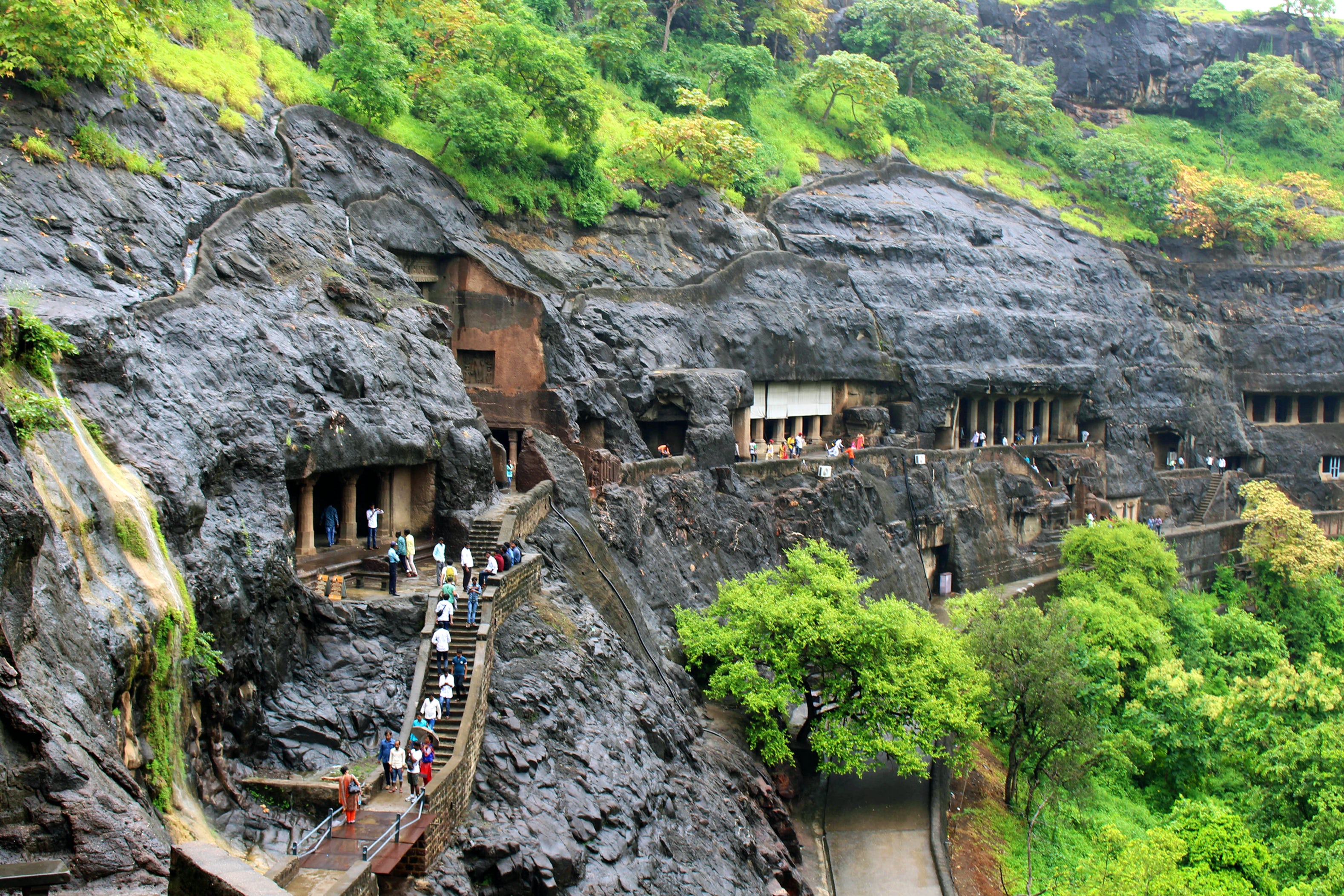
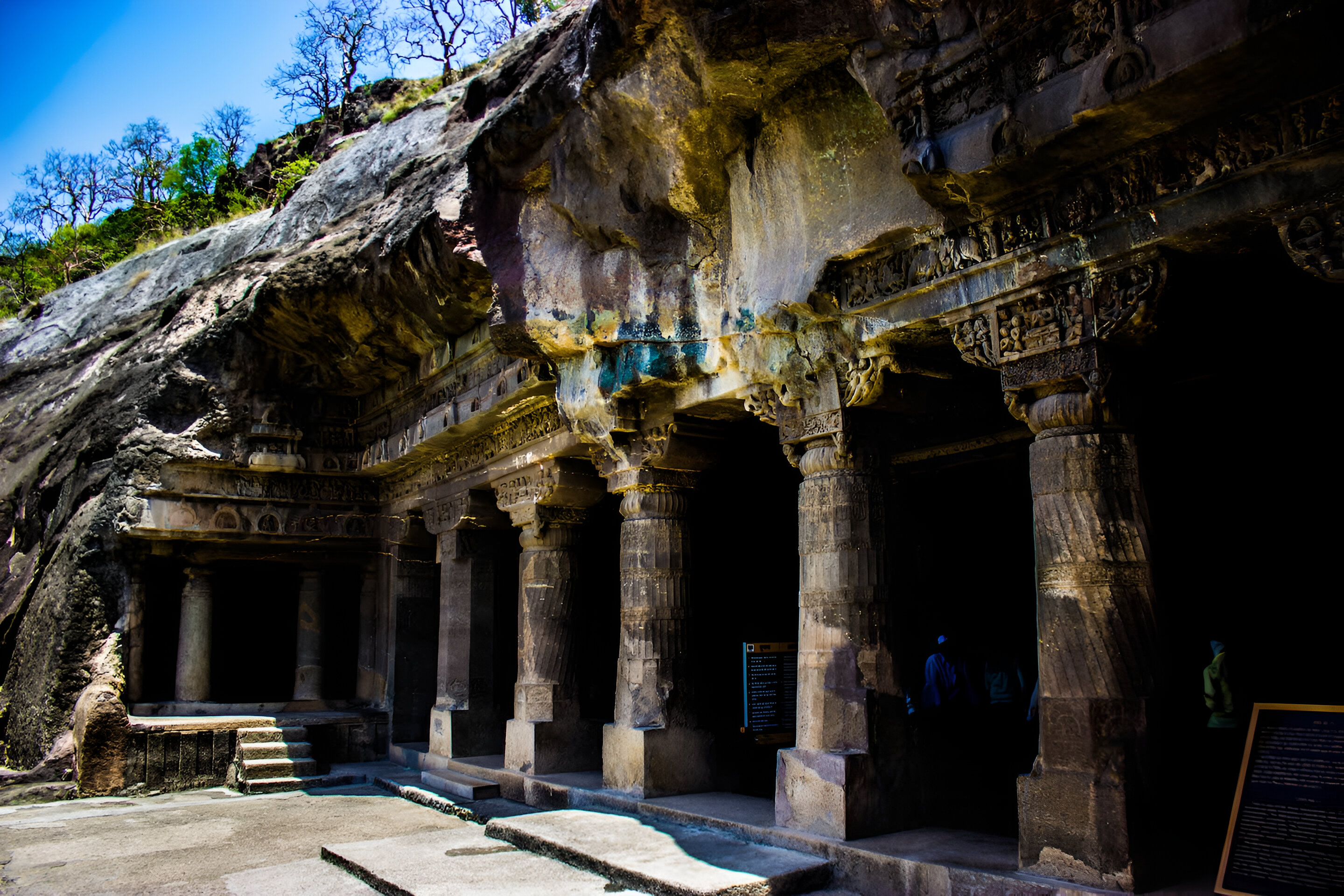
In a far-flung river valley, about 105 kilometre northeast of Chhatrapati
Sambhajinagar in Maharashtra, the ancient cave temples of Ajanta are carved
into the steep rock face of a horseshoe-shaped gorge along the Waghur river.
Much older than the Ellora Caves, the chain of 30 rock-cut Buddhist cave
monuments that form the Ajanta Cave network came up between 2nd century BC
to the 6th century AD. Brilliant in their detailing, the Ajanta Caves are
among the greatest surviving examples of ancient Indian cave art.
A UNESCO World Heritage Site today, the caves fell to disuse soon after the
Ellora, about 103 kilometre from Ajanta, rose to prominence, home to Hindu,
Jain and Buddhist rock-cut caves. The desolation of Ajanta for nearly a
millennium with the Deccan forest coming into their own and choking the
sculptures, further expedited its downfall. It wasn’t until 1819 when an
officer from British India, Captain John Smith, stumbled upon it by accident
on a tiger-hunting party that the excellence of Buddhist religious art, and
that of Indian rock-cut architecture came to the fore. The construction of
the caves, also the earliest monastic institutions in the country, came up
in two phases; the first one around 2nd century BCE and the second around
400-650 CE. Today the site is protected under the Archaeological Survey of
India (ASI).
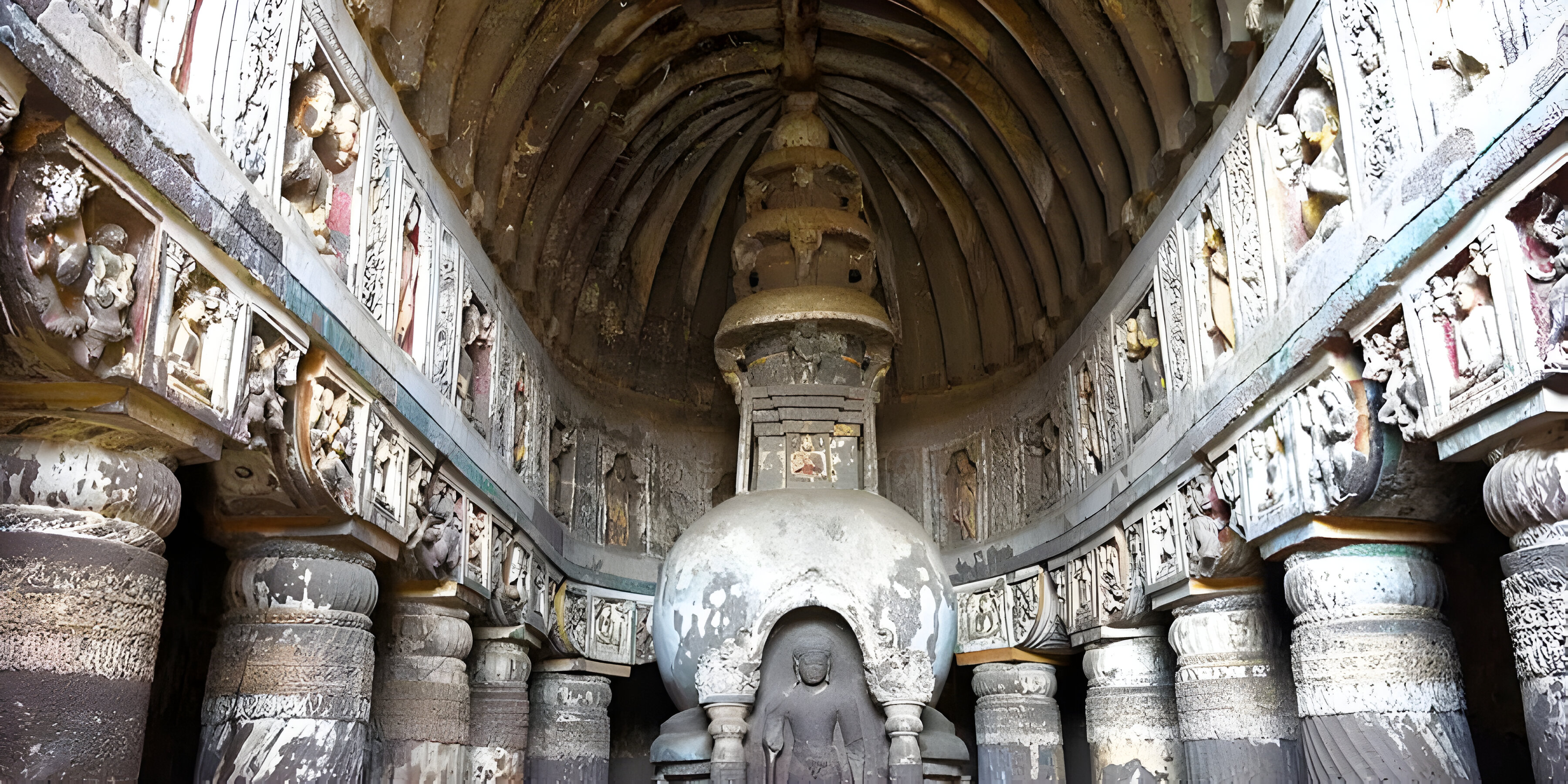
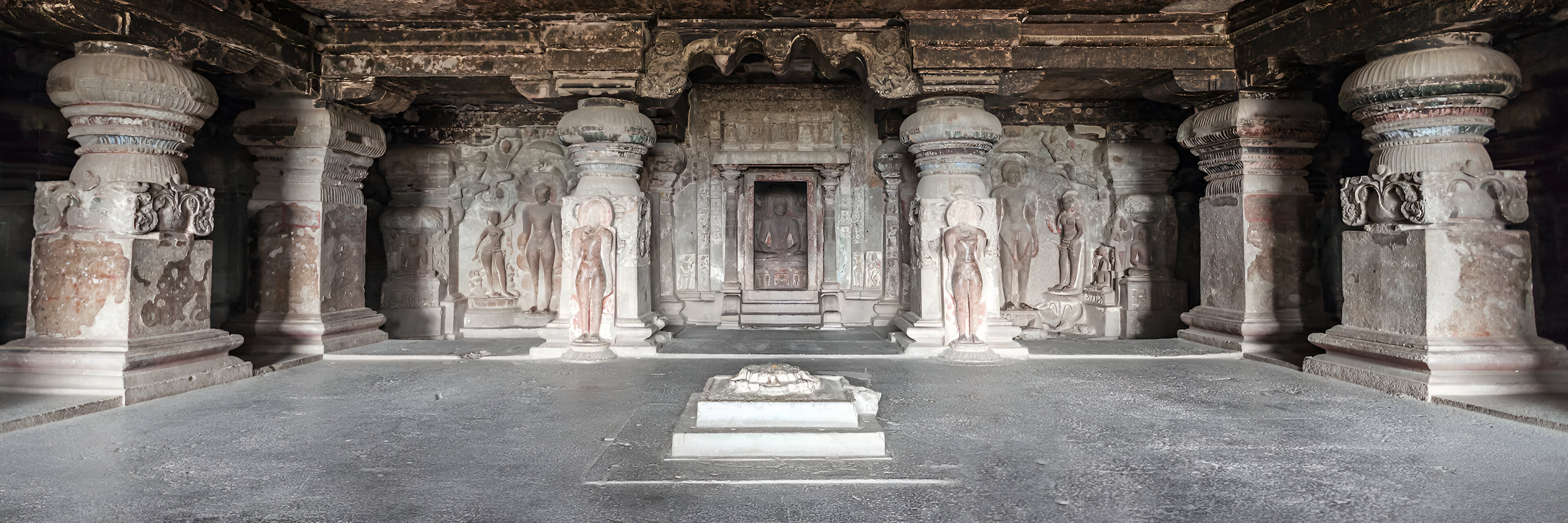
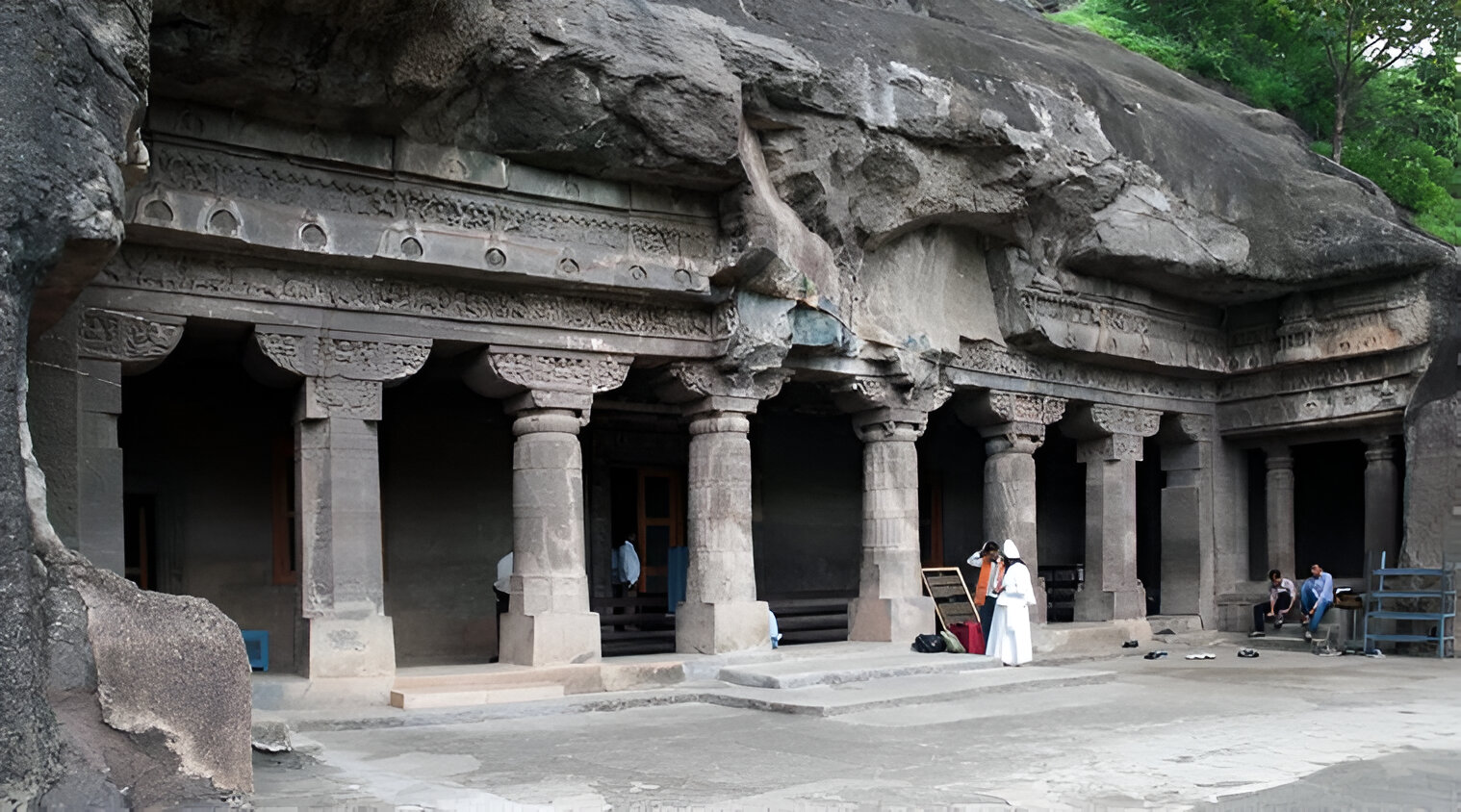
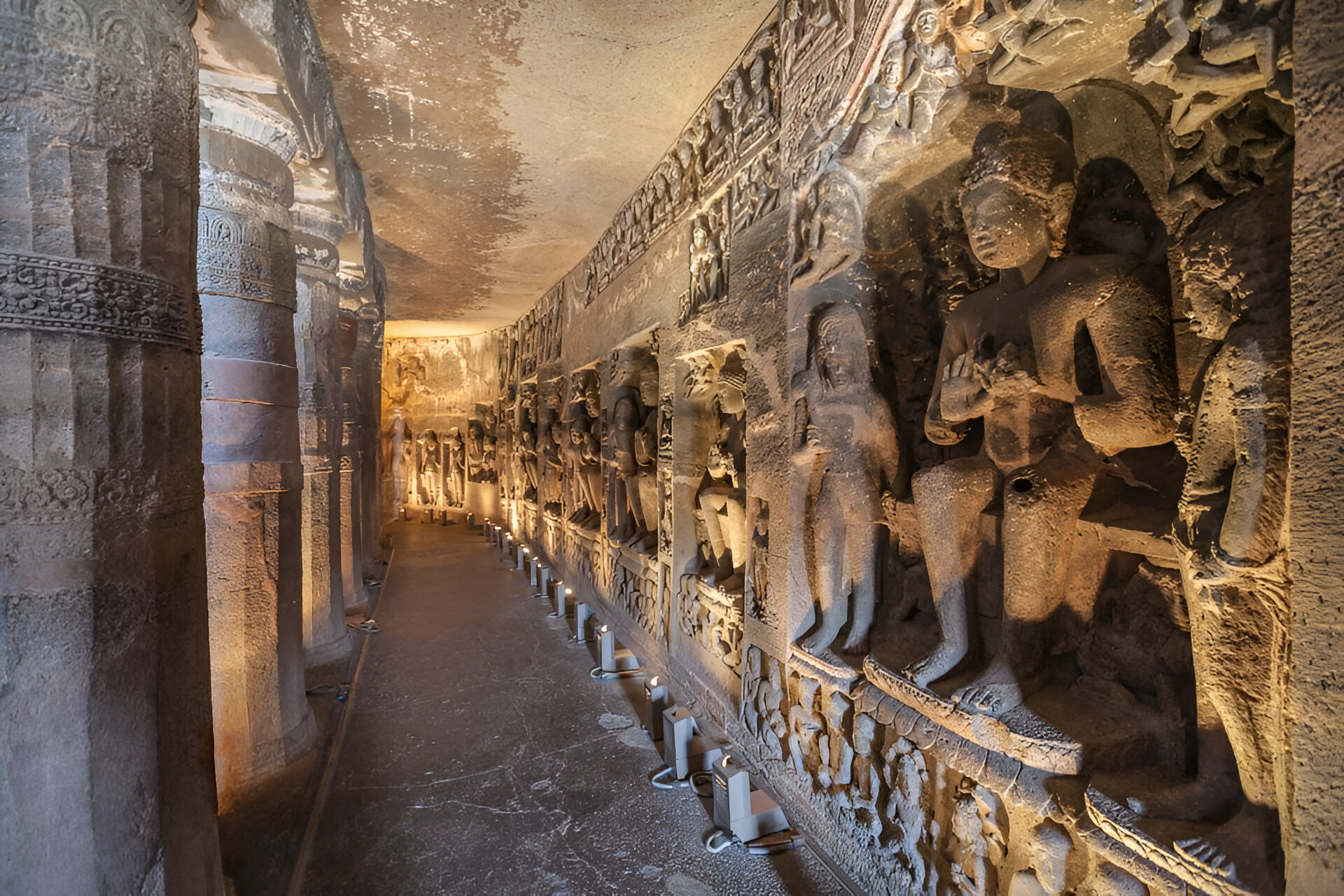
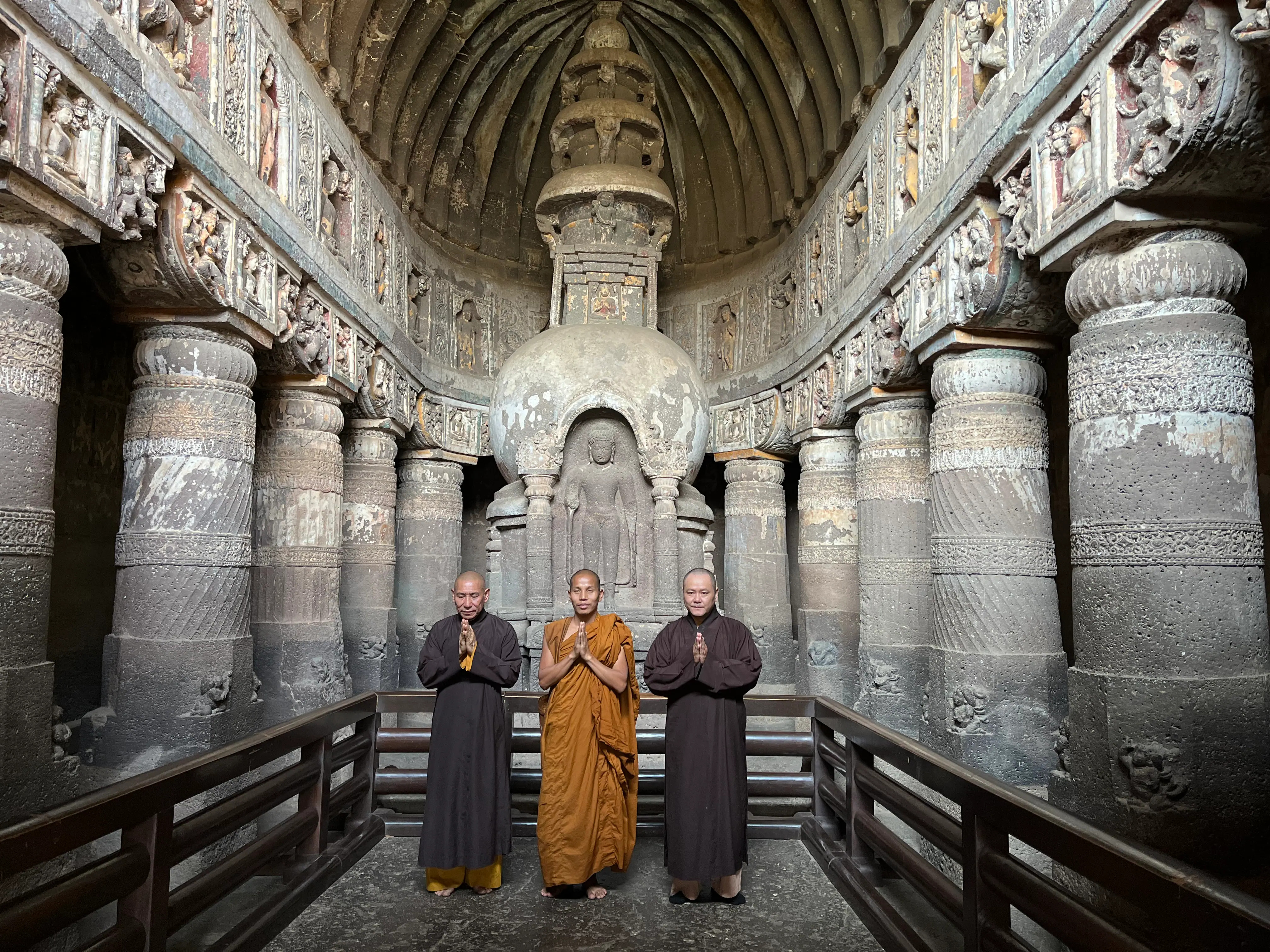
Of the 30 caves hewn into a 250-foot rock face, five constitute the Chaityas
(a Buddhist prayer hall with a stupa on one end), while the remaining are
Viharas (Buddhist monastery). You can explore majority of the caves with a
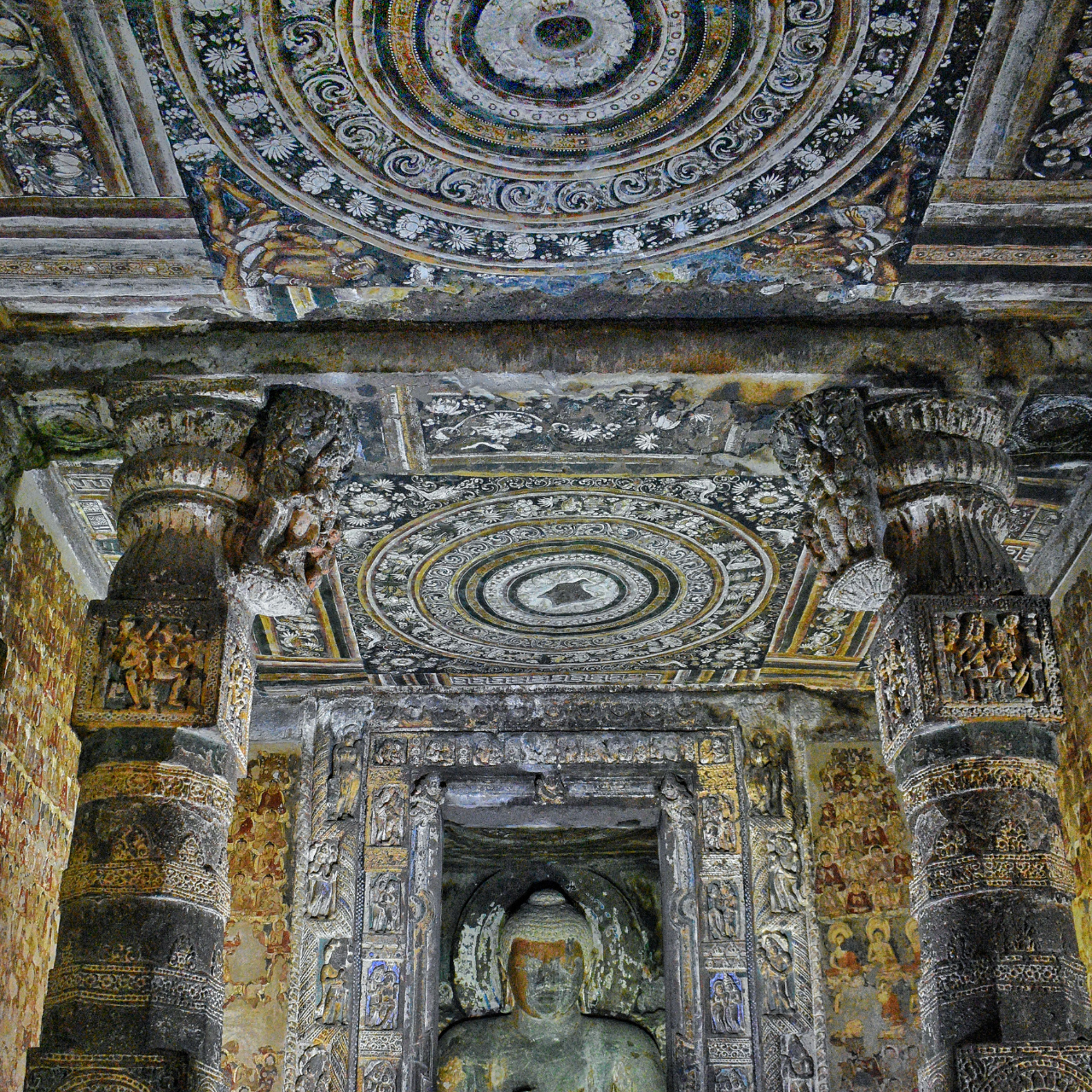
particularly keen eye for caves 1, 2, 16 and 17 for being the finest
surviving example of ancient Indian wall-painting. Alternatively in vivid
and warm colours, the murals in these caves portray Buddha’s past lives and
rebirths along with rock-cut sculptures of Buddhist deities and
illustrations from Jatakamala by Aryasura.
History:
The Ajanta Caves, nestled in the Indian heartland, whisper tales of a vibrant past spanning millennia. Their story stretches back to the 2nd century BCE, when Buddhist monks painstakingly carved these 30 rock-cut monasteries and chapels into the cliff face. Driven by faith and artistic fervor, they adorned the walls with breathtaking murals - a symphony of colors depicting Jataka stories, Buddhist mythology, and even everyday life. These artworks stand as a testament to the mastery of ancient Indian artists, their vibrant hues and intricate details captivating viewers even after centuries.As centuries rolled by, the caves witnessed shifts in artistic styles and religious influences. From the simple colonnades of early caves to the elaborately adorned facades of later ones, each era left its mark on the Ajanta story. While Buddhism remained the guiding light, influences of Jainism and Hinduism also found their place within the complex, showcasing India's long history of religious tolerance and coexistence.
The Ajanta Caves are not just a treasure trove of art; they are a window into ancient India. From the diverse attire and hairstyles painted on the walls to the hunting scenes and musical instruments depicted, these artworks offer invaluable insights into the social, political, and cultural landscape of that era. Historians and archaeologists glean rich understanding of this bygone period through these visual narratives, piecing together a more comprehensive picture of India's vibrant past.
Today, the Ajanta Caves stand as a UNESCO World Heritage Site, their significance reaching far beyond India's borders. Their artistic legacy has inspired generations of artists and art movements, their unique style, vibrant colors, and storytelling techniques echoing through time. Visiting these caves is not just a historical or religious experience; it's a journey into the heart of human creativity and cultural heritage, a chance to witness the brilliance of ancient artists and appreciate the enduring power of art to transcend time and cultures.
Significance:
- Art Masterpiece: Stunning Buddhist paintings & sculptures, spanning centuries.- Architectural Marvel: Carved into cliffs, showcasing diverse & intricate styles.
- Ancient India Window: Depicts lives, culture, offering historical insights.
- Tolerance Symbol: Houses Buddhist, Jain, & Hindu caves, promoting coexistence.
- Artistic Legacy: Inspired generations of artists with unique techniques & vibrantcolours.
Best time to visit:
- October to March: Ideal months for comfortable exploration, with dry weather and moderate temperatures. Expect clear skies and less humidity.- June to September: Monsoon season offers lush greenery and waterfalls, but expect occasional rain showers and slightly higher humidity. Crowds are generally smaller compared to peak season.
Entry Fees:
- The entry fees for the Ajanta Caves vary depending on your nationality and age:Indian Citizens:
- Adults (above 15 years): INR 40
- Children (below 15 years): Free
Foreign Tourists:
- Adults: INR 600
Children (below 15 years): Free
Nearby hotels to rest and dine in:
Hotels:- MTDC Tourist Resort
- Hotel Agrawals Restaurant And Lodging
- Hotel View Point
- Ambassador Ajanta Hotel
Restaurants:
- Hotel Agrawals Restaurant And Lodging
- MTDC Tourist Resort Restaurant
- Local Cafes and Stalls
- Hotel View Point Restaurant
Travelling options:
From Sambhajinagar city center:- Train: Catch the Pachora Jn train from Sambhajinagar Railway Station, a convenient and budget-friendly option. Taxis or auto rickshaws are readily available from Pachora Junction to the caves (18 km).
- Taxi: Hire a taxi directly from Chhatrapati Sambhajinagar for a comfortable and efficient journey. Prices range depending on the type of taxi and can be negotiated.
- Bus: Public buses offer the most affordable option, but expect longer travel times. Buses heading towards Ajanta are available from Sambhajinagar Central Bus Stand.
Additional tips:
- Time Travel: October-March for sunshine, June-September for fewer crowds, book ahead for peak season.- Go Deeper: Rent an audio guide, dress modestly, respect the atmosphere.
- Capture Memories: Snap photos within designated areas, avoid flashes, respect privacy.
- Explore More: Nearby hotels and restaurants cater to all budgets, tastes, and distances.
- Immerse Yourself: Relax, soak in the art and history, let Ajanta's magic unfold.