
Tourist Place
Himayat Bagh
Chhatrapati Sambhajinagar
Maharashtra, India.
Key Highlights
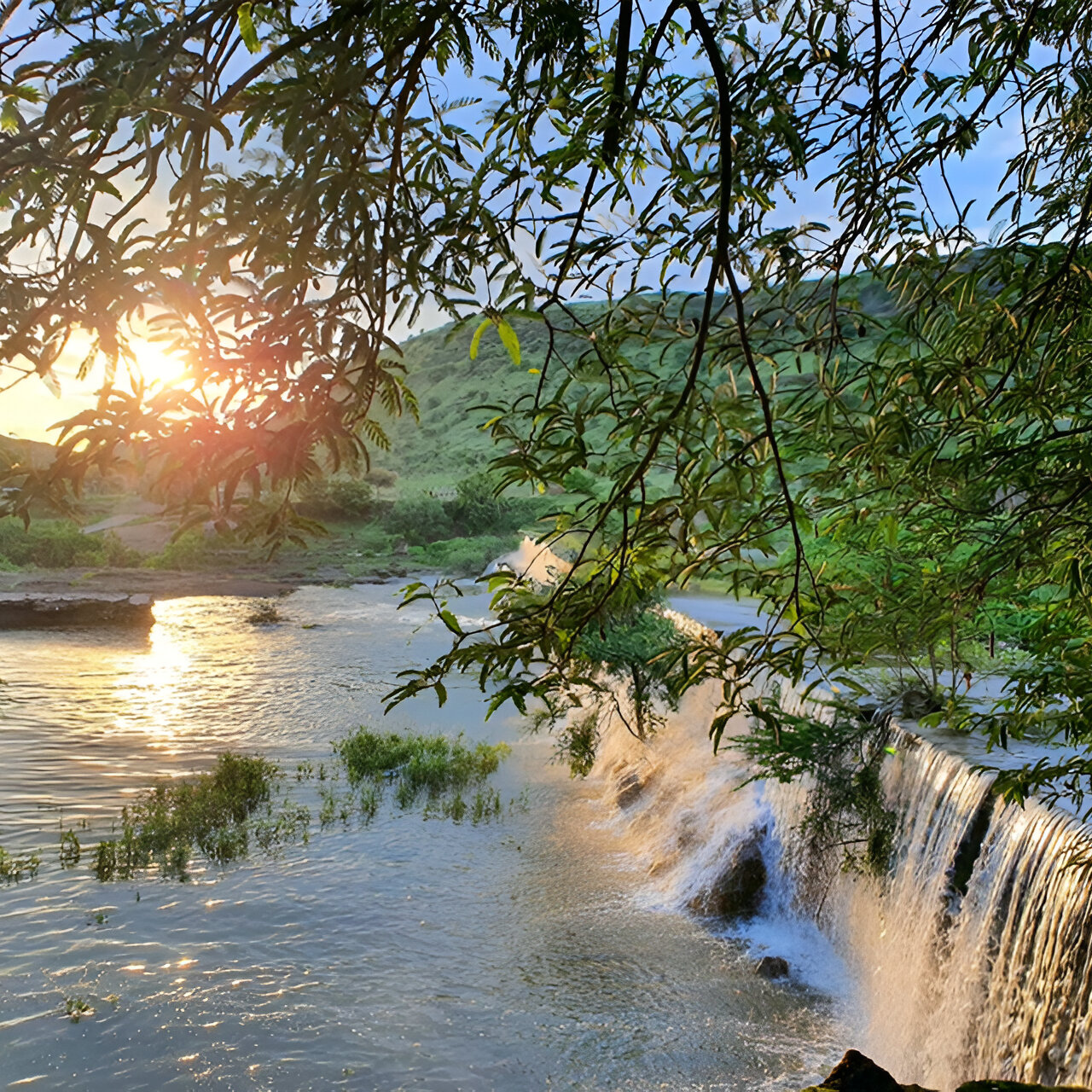
- Panoramic Views
- Easy Trekking
- Picnic Spot
- Seasonal Beauty
Open & Close time
Any day Tuesday through Sunday, between 6:00 AM and 7:00 PM.Detailed Information
Location: 400-acre Mughal garden near Delhi Gate in Chhatrapati
Sambhajinagar, Maharashtra, India.
Entry Fees: FREE entry.
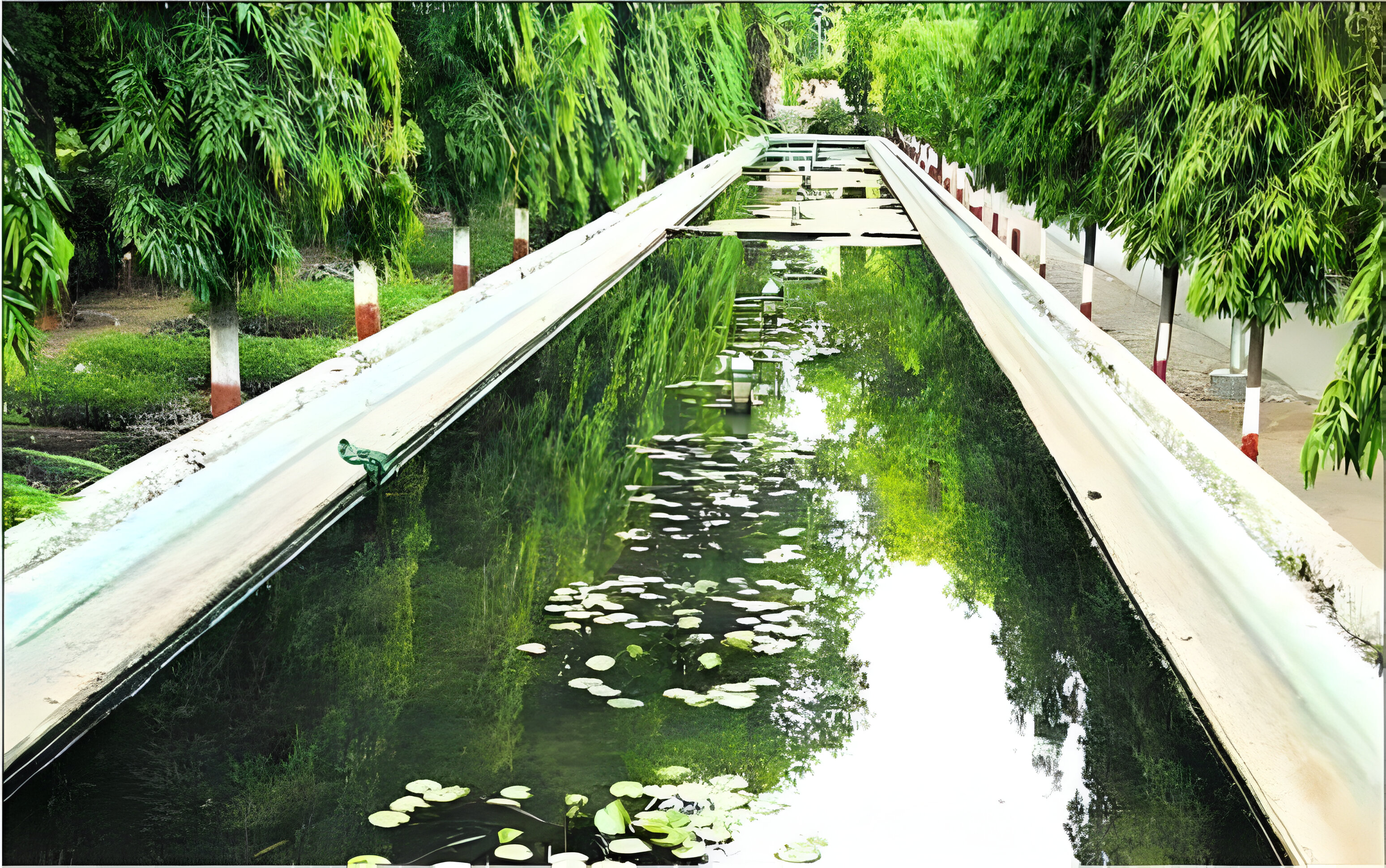
Himayat Bagh also houses the Barra Darri which was erected by Ivaz Khan. A
covered aqueduct passes over one of the buildings and in the olden day's
water descended in a shower into an oblong cistern below containing several
fountains. A marvelous feat of engineering that involved an underground
water chamber; it created a natural air-conditioning that cooled the entire
area when in operation. It is now inoperative, but the system still exists
and is worth a study. Barra Darri now houses the office of Fruit Research
Station.
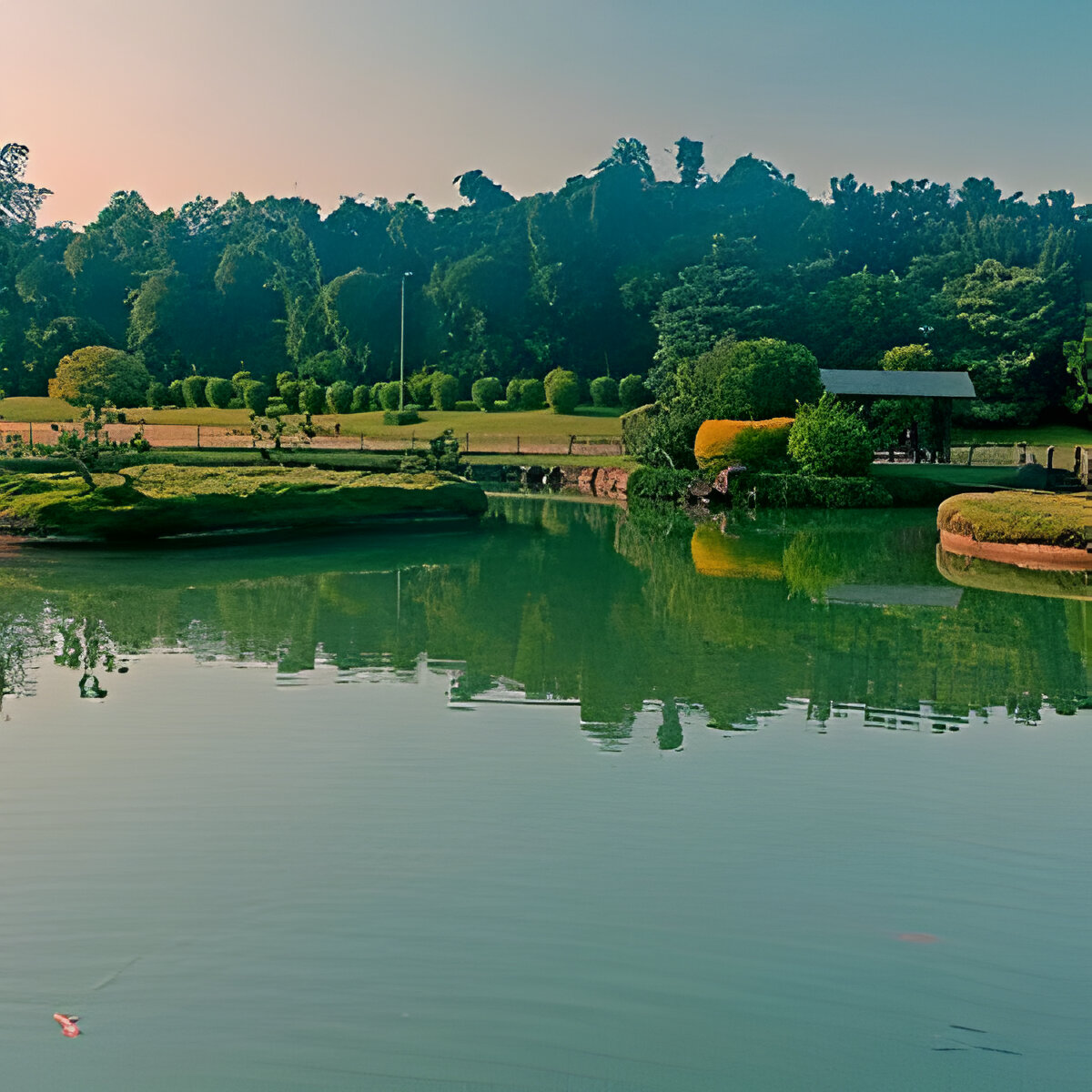
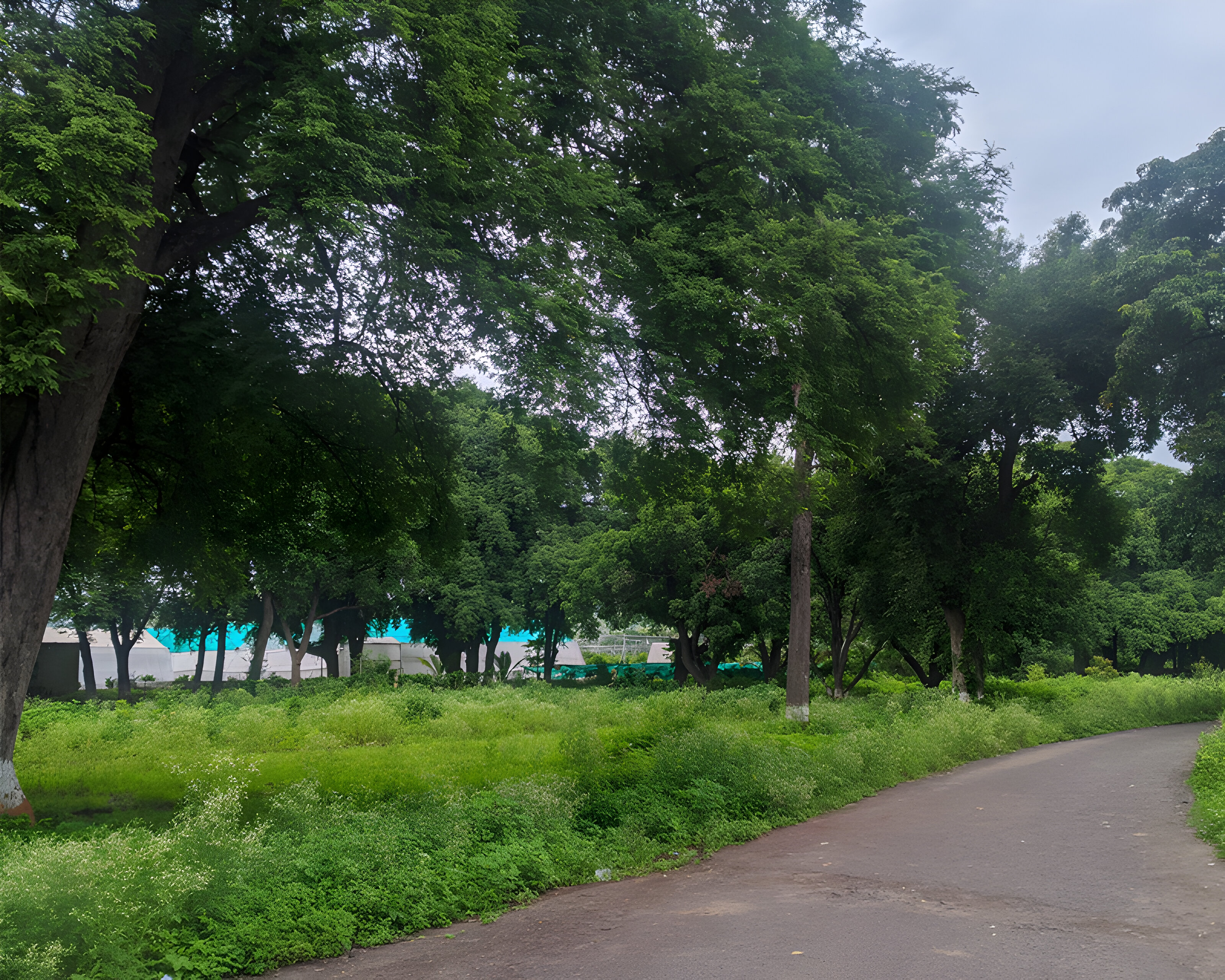
The Himayat Bagh is a tourist attraction in itself because of its greenery
and cool environment. Visitors can have a look at various plants and trees
in the nursery, on which research is being conducted.
Visitors are able to buy plants that are grafted by experienced
local malis (gardeners) in the gardens. There are saplings from tamarind to
mango, and one can see the saplings and then see how the tree looks when it
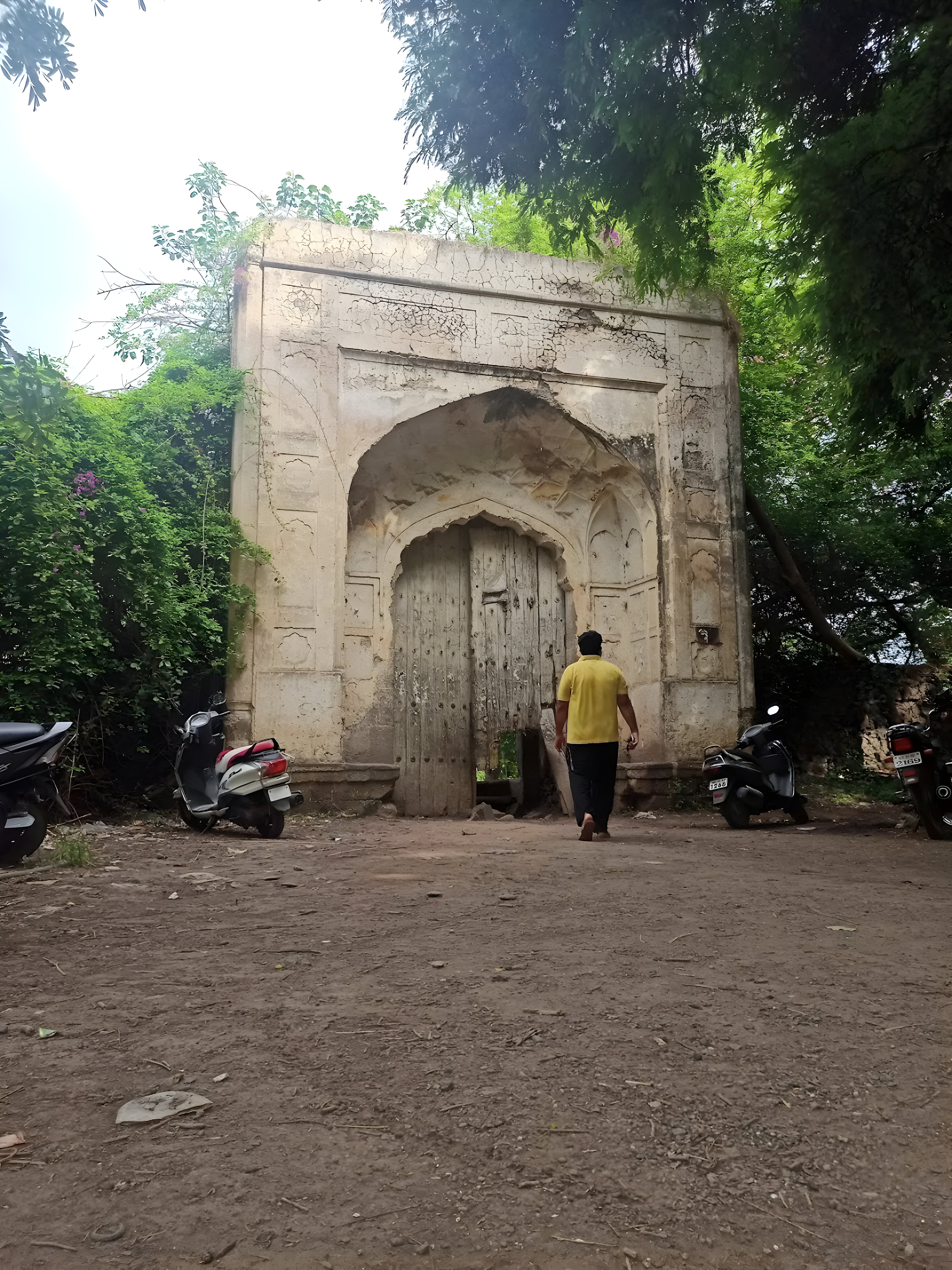
is fully grown. The underground drainage pipeline work being carried out by
the municipal corporation has damaged the northern historical wall of this
beautiful place. After cognisance taken by Sakal newspaper, the summer
palace was emptied by VNK university. This palace is rare and is half
underground. The water flowing on all sides of this octagonal palace keeps
it at least 5 degrees cooler than the outer temperature. Earlier it was
filled with scrap.
History:
Born from a damp Mughal palace wall in the 17th century, Himayat Bagh bloomed into a royal garden nourishing the court with its bounty. Under Aurangzeb's gaze, it hosted a tapestry of fruit trees, a testament to Mughal splendor. Yet, with time's tide, it transformed, embracing Maratha influences and nurturing indigenous wisdom. Today, its 400 acres house a vibrant research station, whispering tales of past emperors and future harvests. A verdant haven in the heart of Chhatrapati Sambhajinagar, Himayat Bagh beckons you to stroll its historical paths and savor the fruits of its rich past.
Best time to visit:
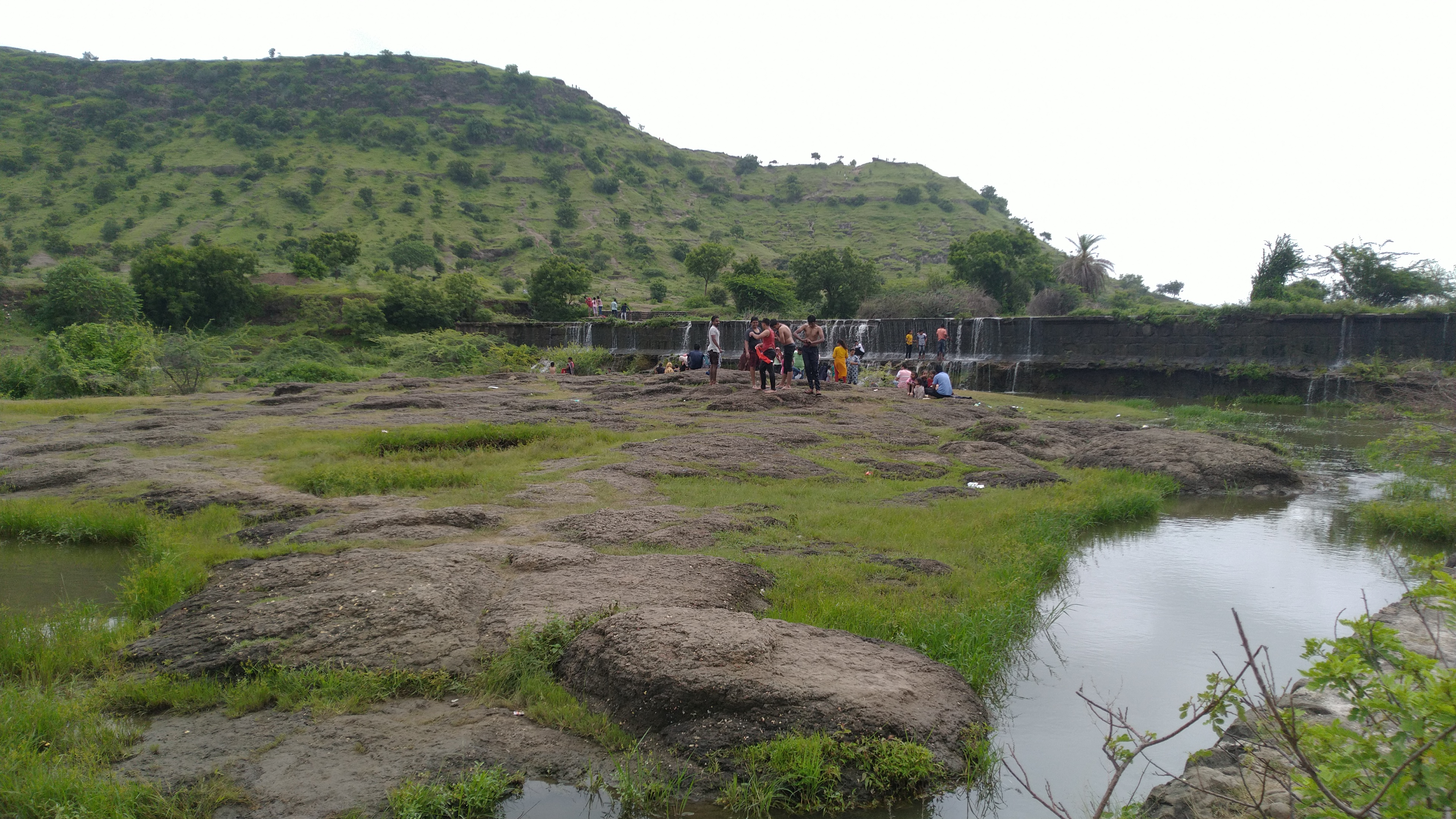
One should come in the morning or evening to go to Goga Baba hill. There are many places in Sambhajinagar where tourists can spend their time, spending around 2 or 3 hours for this hill is enough.1. Monsoon season (June-September): The lush greenery during the monsoon is beautiful, but expect heavy rainfall and potentially slippery conditions on the hill.
2. Summer (April-May): Temperatures can get soaring, making the climb less enjoyable. However, if you love sunshine and don't mind the heat, this could be your preference.
3. October to March: This is the most comfortable time to visit, with average temperatures between 18°C to 26°C. The skies are clear, making the panoramic views from the hill even more stunning.
Nearby hotels to rest and dine in:
Hotels:- Hotel Atharva
- Hotel Shivshakti
- Hotel Yash Executive
- Taj Vivanta By Taj
Restaurants:
- Citrus by Lemon Tree
- Olive Garden Restaurant
Travelling options:
- Train: If you're coming from farther away, take a train to Sambhajinagar Railway Station and then use one of the above options to reach Himayat Bagh.- Flight: Sambhajinagar Airport (IXU) receives flights from various cities. Take a taxi or book a cab from the airport to Hiamayat Bagh.
- From Sambhajinagar city: Taxi or Cab, Local Bus, Auto Rickshaw.
Additional tips:
- Consider the distance from Himayat Bagh and your preferred mode of transportation.- Booking your accommodation in advance is recommended, especially during peak season or weekends.
- Ask locals for recommendations on hidden gems or off-the-beaten-path eateries.
- Respect local customs and dress modestly when visiting Himayat Bagh and surrounding areas.